How to Avoid Rental Scams in Cabo San Lucas
Protect yourself from Cabo rental scams. Learn common tactics and how to verify listings before you sign.
Common Cabo Rental Scam Patterns
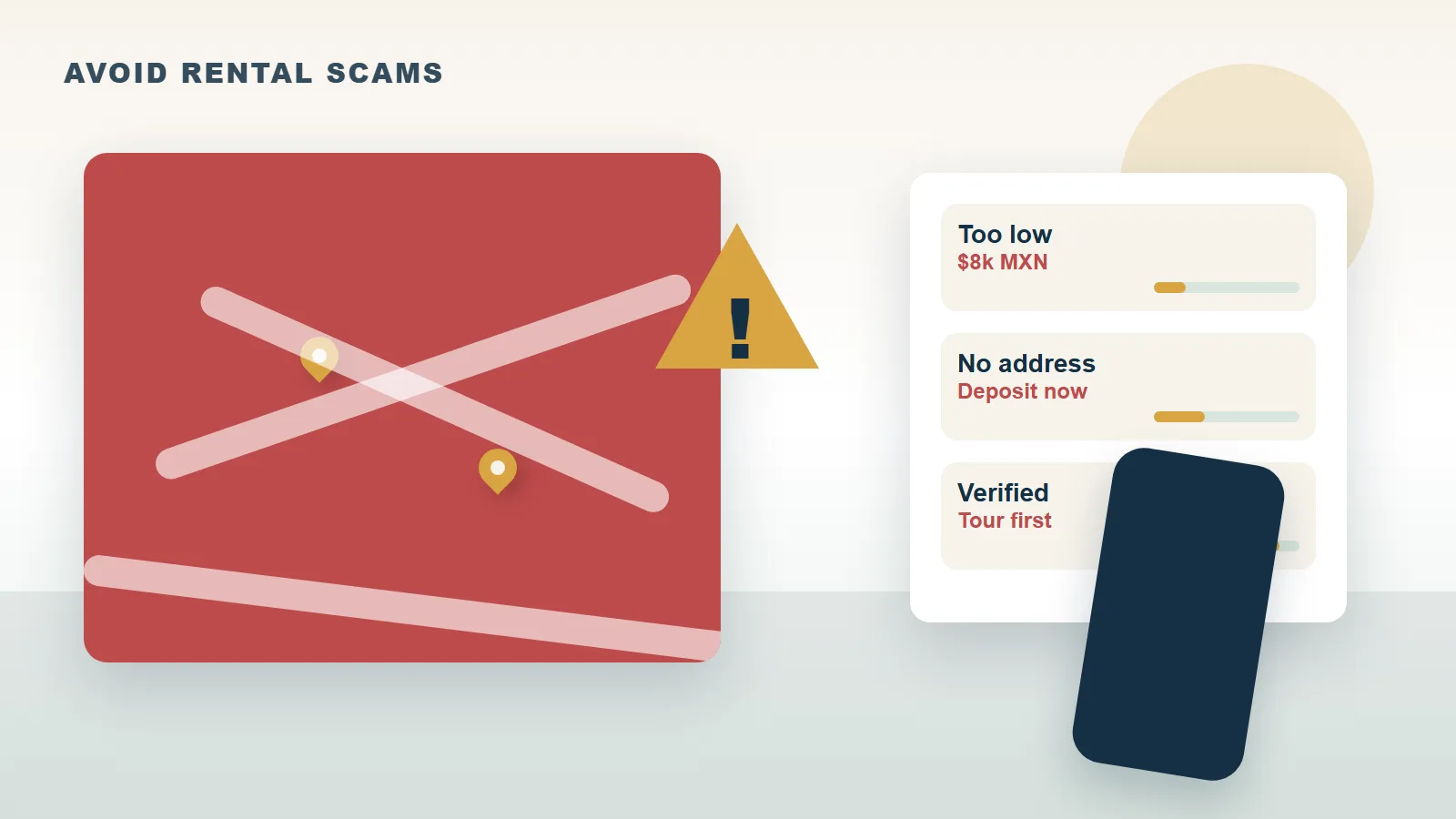
Scammers prey on the urgency and unique challenges of finding long-term rentals in Los Cabos. The most frequent tactic involves fake listings on platforms like Facebook Marketplace or WhatsApp groups. These often use stolen photos, frequently from Airbnb or other legitimate listings, to create an illusion of a desirable property. Prices are often set unrealistically low to attract immediate interest. The scammer will then pressure you to send a deposit, sometimes a full month's rent or more, to 'hold' the property before you've even seen it or verified its existence. They'll cite high demand or other interested parties as reasons for immediate payment. Another common thread is a refusal to meet in person or conduct a live video walkthrough, preferring text-based communication only.
Why Cabo is a Target for Scams
Los Cabos' popularity as a destination for expats, digital nomads, and those relocating from larger Mexican cities or the US creates a high demand for long-term rentals. This demand, coupled with a relatively tight supply, means properties move quickly. Many prospective renters are not physically present when they begin their search, relying heavily on online listings and remote communication. This distance and reliance on digital interaction make it easier for scammers to operate. Communication often happens primarily through WhatsApp, which, while convenient, lacks the transparency and accountability of more formal channels. The 'WhatsApp-first' approach can be a red flag if not managed carefully.
Red Flags to Watch For
Be highly suspicious if a landlord or agent refuses to conduct a live video call to show you the property. Legitimate landlords are usually happy to do this, especially if you are remote. A refusal to provide the exact address until a deposit is made is another major warning sign. If they ask for a deposit to 'hold' a property you haven't seen, especially before signing a lease, consider it a scam. Mismatched names on bank transfer details – where the account holder's name doesn't match the supposed landlord or property manager – are also suspicious. Finally, a lack of a formal, written lease agreement, or a lease written entirely in English without any Spanish translation for a property in Mexico, can indicate a lack of professionalism or intent to defraud.
How to Verify a Listing
Before sending any money, take steps to verify the listing's legitimacy. Perform a reverse image search on the photos provided; this can reveal if they've been lifted from other websites. Request a live video walkthrough of the property. Ask the agent or owner to show specific features or rooms on demand during the call. Confirm the exact colonia (neighborhood) and street address. Compare the asking price to similar properties listed on reputable platforms like RentasCabo (rentascabo.mx/listings). If a property is priced significantly below market value, it's likely too good to be true.
Safe Deposit Handling
Never pay a deposit in cash before receiving the keys and signing a formal lease. If a deposit is required, ensure you receive a detailed, written receipt clearly stating the amount, purpose (e.g., security deposit), and property address. Request to see the landlord's official identification. Review a draft of the lease agreement *before* paying. The bank account name for the deposit should match the name of the owner or the officially registered property manager. If possible, use a bank transfer with clear documentation.
Agent Verification
If dealing with a rental agent or agency, verify their legitimacy. Ask for the physical address of their office. Request references or testimonials from previous clients. Check if they have other active listings on reputable sites. Understand their relationship with the property owner – are they a direct representative or a third-party marketer? Crucially, can they arrange an in-person viewing of the property for you?
Relocating Remotely: Best Practices
If you are relocating from afar and cannot view properties in person, the safest approach is to secure short-term accommodation (like an Airbnb or extended-stay hotel) for your first few weeks. This allows you to tour properties physically upon arrival. Alternatively, use a trusted, verified rental marketplace. RentasCabo (rentascabo.mx) aims to provide a secure platform for both renters and landlords. If you are serious about finding a long-term rental, consider using our Renter Passport feature. A verified renter profile can help you stand out to legitimate landlords and property managers, potentially reducing the pressure for immediate, unverified deposits. You can start your application flow here: [link to renter passport/application flow].
The RentasCabo Approach
At RentasCabo, we vet listings and encourage transparent communication. While no platform can eliminate all risk, we strive to connect renters with verified properties and reputable landlords. Always prioritize safety and due diligence. If a deal feels rushed or suspicious, walk away. There will always be another property.
Useful next steps
Browse active rentals around Cabo San Lucas and the marina-side neighborhoods.
Browse long-term rentalsCompare active Los Cabos listings, prices, photos, and rental terms.
Create a Renter PassportBuild one renter profile before you contact landlords or agents.
Compare neighborhoodsUse live rental inventory to narrow down the right area.
Use the renter checklistTrack documents, utilities, deposits, and move-in tasks.
Ready to rent in Los Cabos?
Compare active long-term rentals, then use your Renter Passport to show landlords you are prepared.